Slots, Poker, and the Real Math Behind iGaming Wins
November 04, 2026 - iGaming


November 04, 2026 - iGaming

October 04, 2026 - Essays

September 27, 2026 - Guides
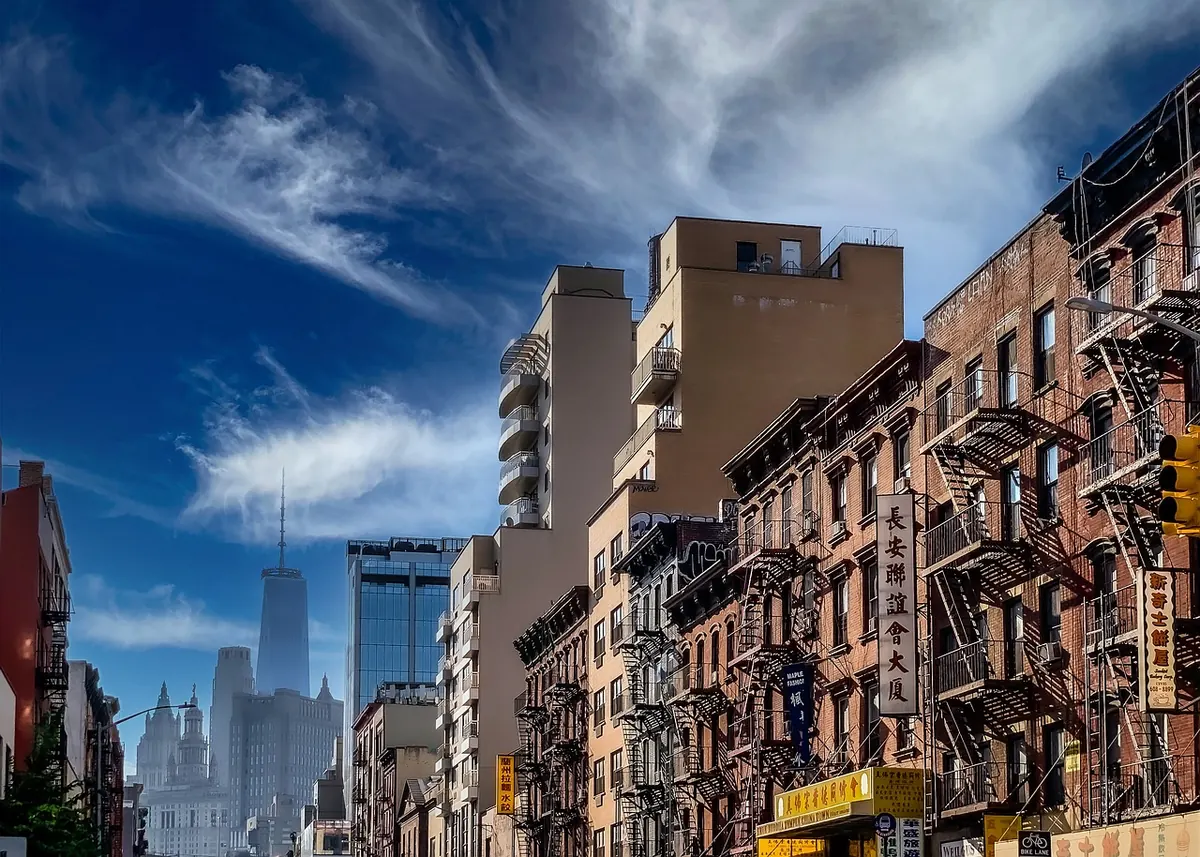
The high street is usually discussed as a casualty. Three empty units, a bank that closed, a department store that became a gym. Go out at ten past eight on a Tuesday morning, though, and a different picture appears. Shutters rattle up. A delivery van blocks the pavement while the driver carries in trays of bread. Someone holds a door for someone else and neither of them gives it a thought.
That ordinary hum is where community actually lives — not in the summer fete or the residents' association meeting, welcome as both are, but in the fact that a woman you have never spoken to knows which paper you read. The high street is not a museum piece. It is a working example of belonging, routine and mutual care, and its lessons travel much further than the parade of shops they came from.
Belonging rarely starts with a conversation. It starts with a nod across the road, a raised hand from behind a counter, a butcher who says "the usual?" and means it. Before anyone knows your story, they know your face.
When you move somewhere new, the instinct is to look for friends. Friends are a high bar: they need time, compatibility and a bit of luck. Recognition is a low bar, available almost immediately to almost anyone. Turn up in the same place at the same time often enough and you will be noticed. Noticed becomes greeted. Greeted is usually enough to make a place feel like yours.
A street of shops has no choice but to run on this. It cannot rely on grand gestures; it depends on the same people coming back. That is why a good high street can feel warmer than its architecture deserves.
Anyone who has moved to a new town knows the particular emptiness of having nowhere to be. That is why the high street's timetable matters. The market on a Saturday. Bin day. The library open late on a Thursday. The bus that comes every twenty minutes. None of it is exciting. All of it creates the conditions in which two people can meet by accident.
Routine gets a bad press as dullness. On a high street it works more like scaffolding: the structure that makes accidental meetings possible. Two people who buy bread on Friday morning will eventually speak to each other. Two people who order their groceries at whatever moment suits them probably will not.
So pick two or three times in the week when you will be out and in the same place, and treat them as fixed. A market trader does this by necessity. You can do it deliberately.
Small transactions carry more than money. The shop that takes in a parcel. The cafe that starts your order as you push the door. The pharmacy where someone asks how your mother is getting on. The greengrocer who slips in an extra apple and refuses to hear about it.
Acquaintances like these are sometimes called weak ties, which makes them sound flimsier than they are. In practice they are the people most likely to notice when something is wrong, because they see you often enough to register an absence. It is the newsagent, not your closest friend, who notices you have not been in for a fortnight.
This is care at low wattage: unglamorous, cheap and remarkably effective. It costs nothing to ask after a dog.
A functioning high street runs on informal systems that nobody has to fund. Look for them:
None of this is grand. It is the plumbing of mutual care — the small arrangements that mean a person does not have to solve everything alone. A village of a few hundred people manages this by instinct. A street of shops manages it by geography, which is easier to copy than instinct.
The bus stop makes you stand beside people you did not choose. The queue shuffles forward slowly, someone's card fails, a stranger tells you about their knee. You did not ask for any of it.
Modern life is very good at letting us select our company. You can choose your friends, filter your feeds, mute a group chat and never once be bored by a neighbour. A high street does not offer that, which is precisely its value. It puts you in the same small space as the man with the loud voice and the teenager with the headphones, and after a few months you know them slightly, whether or not you would have chosen to.
The high street asks almost nothing of you, and hands you a place in return.
That trade — a little tolerance for a little belonging — is one of the better bargains going.
None of the above depends on living in a town with a market square. The principles are portable. If you want the effects of a high street without one, try these:
Start smaller than feels worthwhile. One name, one greeting, one standing appointment a week. Community is not built by a grand gesture but by a hundred tiny ones nobody remembers making.
And if money is the obstacle, note that the free parts work hardest: the bench, the library, the greeting, the parcel taken in. Belonging does not require a receipt.
The high street is often described as something we are losing. Its lesson is not nostalgia, though. It is that community is mostly logistics plus time: the same place, the same hour, the same faces. Be one of the same faces and you will be known. Be known, and you will be looked after — and you will find yourself looking after others, which is the part that surprises people most.
Photo: nextvoyage / Pixabay
Most people who lose money at online casinos don't lose because they're unlucky. They lose because they never...
Deliberate, bounded idleness is not laziness — it restores distance, proportion and the gap between events and your...
November 04, 2026 - iGaming
October 04, 2026 - Essays
Copyright © 2026 Sage Post. All Right Reserved.