Slots, Poker, and the Real Math Behind iGaming Wins
November 04, 2026 - iGaming


November 04, 2026 - iGaming
October 04, 2026 - Essays

September 27, 2026 - Guides
There is a particular kind of guilt that arrives when you sit down with nothing to do. The phone is face down. The kettle is on. Nothing is being achieved, and within a minute your mind is hunting for a task — a bill to check, an email to send, a cupboard that could be sorted. We read that itch as conscience. It is more often habit. Deliberate idleness — chosen, bounded, defended — is one of the cheapest ways to sharpen your judgement, and one of the hardest to explain to anyone watching.
Laziness avoids what you know needs doing. Idleness sets work down on purpose, intending to pick it up again. From the outside, they look identical: a person doing nothing on a sofa. From the inside they feel quite different. Avoidance has a nervy quality — you are not resting, you are hovering, half-listening for the sound of someone noticing.
Genuine rest settles something. You come back with a clearer head and a lower tolerance for drama. The tell is what happens next. Avoidance keeps postponing the thing. Rest returns you to it with more patience than you had before.
Good judgement is rarely a matter of speed. It means noticing what is missing from the picture, holding two competing goods in mind at once, and tolerating not knowing for slightly longer than is comfortable. None of that happens well in a diary with no gaps.
When every hour is spoken for, decisions get made by whoever is loudest. The urgent email wins. The person in the room wins. The first version of your opinion, formed in the first thirty seconds, wins — because there is no room for a second one.
Distance restores proportion. A message that reads as a crisis at nine in the evening is often just a sentence that needs rewriting by the morning. The problem did not shrink. Your view of it widened.
Rest used to be built into the year. A weekly day of it in the Jewish and Christian traditions. A midday pause in hot climates. The long Sunday lunch, the walk after dinner, the shopkeeper's half-day. These were not lapses in productivity; they were load-bearing walls. They made idleness socially acceptable, and therefore possible.
Most of us have inherited the guilt without the structure. Nobody needs to adopt a religion or a Mediterranean timetable. But the principle is worth borrowing: rest holds when it has a shape and a slot, rather than depending on willpower at four o'clock on a Tuesday.
Nothing on this list arrives on command. All of it becomes more likely when you stop filling every gap.
Doing nothing deliberately is a skill, and like most skills it is awkward at first.
Ten minutes most days. An afternoon or evening each week with nothing scheduled. If you can manage it, a day a month with no obligations at all. Put the weekly one in the diary. Unwritten rest gets eaten.
Rest is not a substitute for a decision. Some things want action: a debt that is growing, a health concern you have been ignoring, a relationship that has gone quiet. Using stillness to postpone those does not restore perspective; it just adds time and interest.
The honest test is whether the pause clarifies anything. If you have rested properly and the same worry returns at the same volume, it is asking for a decision, not more rest. And if worry is persistent enough to disturb your sleep or your work, that is worth taking to a GP or another qualified professional rather than managing alone.
Pick one slot. Ten minutes tomorrow, at a fixed time, somewhere you cannot be reached. Put it in your diary as though it were an appointment with someone you respect. Tell one person, so that the phone stays where it is. Expect to be bad at it for a fortnight.
The point is not the ten minutes. It is what the ten minutes protect: the gap between something happening and your response to it. That gap is where judgement lives. Widen it a little, most days, and the rest of life becomes easier to see at its proper size.
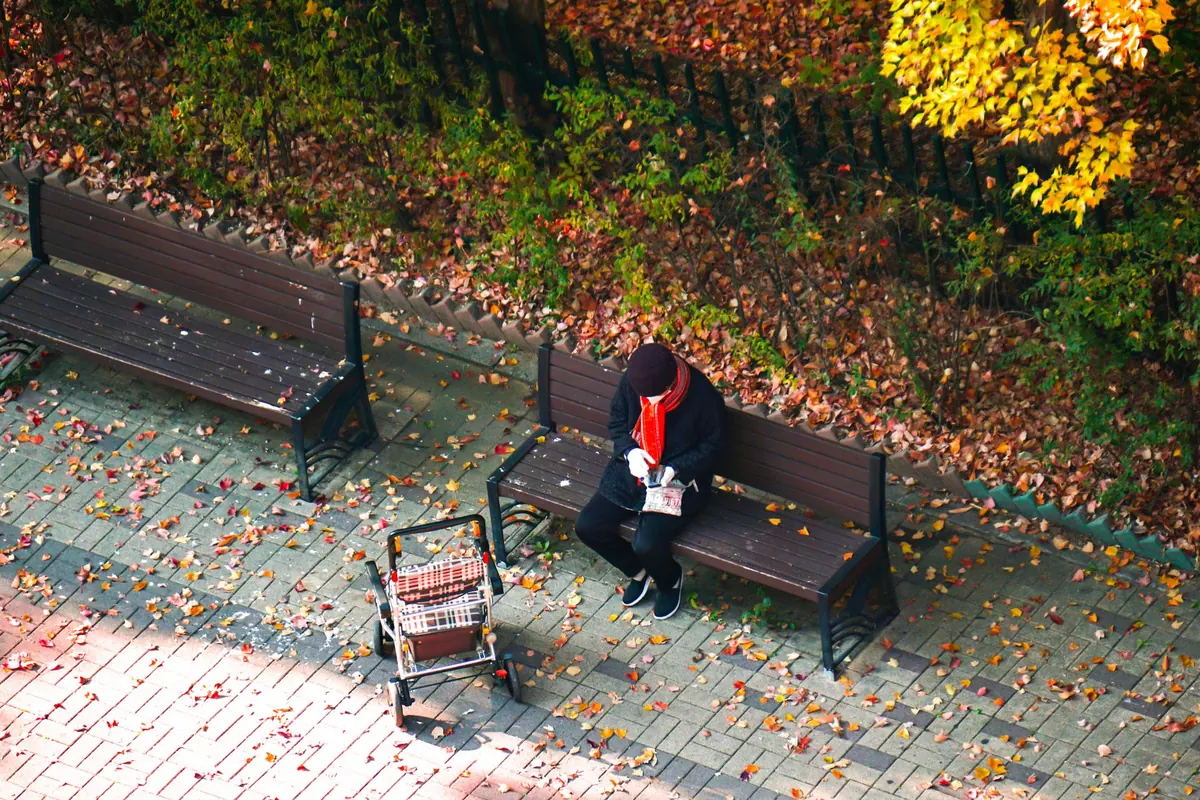
Photo: 대정 김 / Pexels
Most people who lose money at online casinos don't lose because they're unlucky. They lose because they never...

The high street's daily routines — nods, queues, noticeboards and the bench — show how belonging, habit and quiet...
November 04, 2026 - iGaming
October 04, 2026 - Essays
Copyright © 2026 Sage Post. All Right Reserved.