Slots, Poker, and the Real Math Behind iGaming Wins
November 04, 2026 - iGaming


November 04, 2026 - iGaming

October 04, 2026 - Essays

September 27, 2026 - Guides
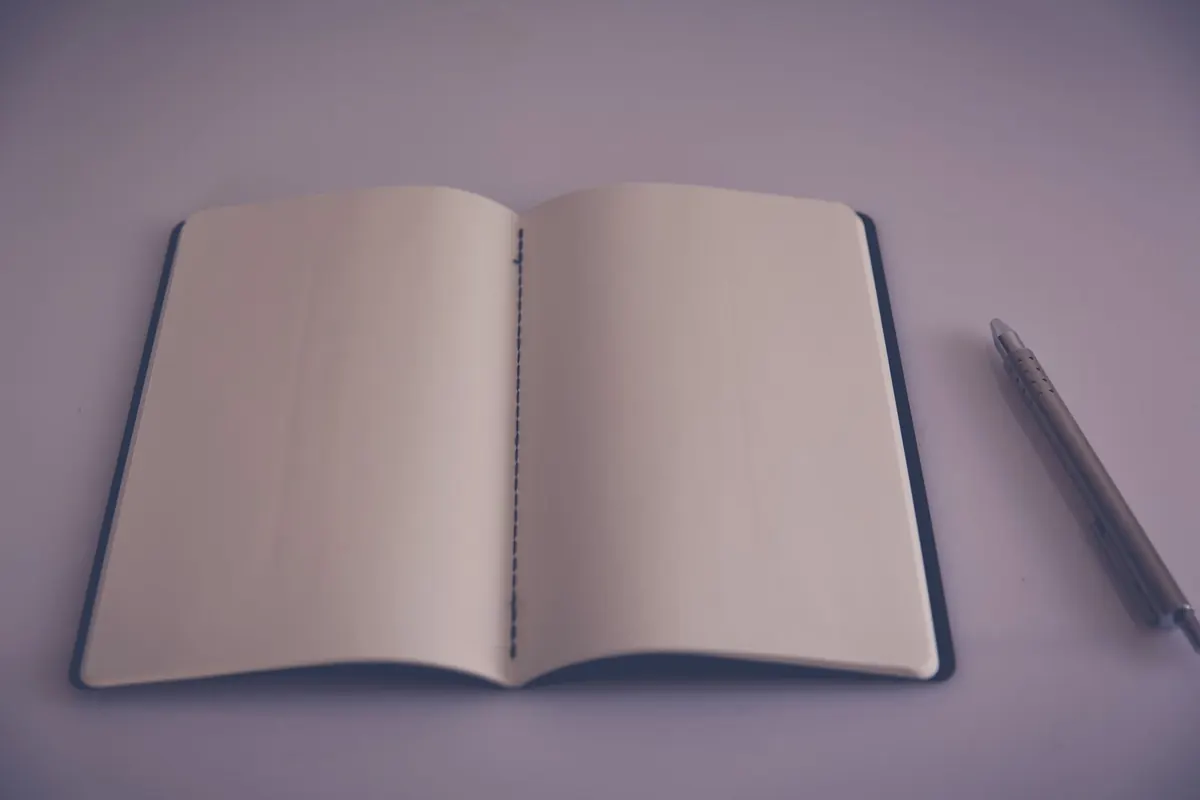
Most people think more clearly once their thoughts are somewhere they can see them. A journal does not need to be beautiful, profound or kept perfectly. It needs to be a place where you can separate what you know from what you fear, and notice the questions you keep circling.
Fifteen minutes with a pen is often enough to turn a foggy worry into a decision you can act on. Here is how to build the habit without turning it into another chore.
A diary records what happened. A thinking journal records what you made of it: half-formed arguments, decisions, doubts and the reasoning behind them. It is not a memoir, a gratitude list or a performance. Nobody else has to read it, and most entries will be dull. That is fine. Dull entries are the raw material that lets you spot a pattern three weeks later.
The aim is not to produce wisdom on demand. It is to move confusion out of your head, where it swirls, and onto paper, where it sits still long enough to be examined.
Beginners often plan an elaborate system: a leather-bound notebook, a colour-coded index, one particular pen. Then they stop within a fortnight. Keep the setup boring.
List, do not compose. Write down what is on your mind as bullet points for three minutes, then circle the one item generating the most noise. Anxiety is often several unrelated worries sharing a single feeling.
Give a page to these questions:
The fourth question is the most useful. Big decisions rarely need to be made in one leap; they need a cheap test.
Two lines are enough. What went well today, and why? Then: What would I do differently? Avoid "because I was lucky" and "because I am useless". Name the specific action — "I asked for the deadline in writing" — so you can repeat it.
Somewhere in the journal, the last few pages work well, keep a running record of decisions and what you expected from them. Three columns: the decision, the date, and the outcome you anticipated. When the outcome arrives, add what actually happened.
This is the quickest way to improve your judgement. Memory rewrites itself; a written record does not. After a few months you will see whether you are consistently too optimistic about how long things take, too pessimistic about awkward conversations, or right more often than you feel.
Writing without reading back is just storage. Once a week, sit down with a cup of tea and read the last seven days. Ten minutes is plenty.
Then set one action. Not five. Once a month, skim further back. Patterns that are invisible day to day — the same meeting draining you, the same project slipping — become obvious at a distance.
Write down what you think. Read it back a week later. The gap between the two is where the learning sits.
Before bed, write three sentences: one thing that happened, one thing you noticed about how you handled it, and one question you want to answer tomorrow. That is the whole practice.
Do it again tomorrow. Within a week you will have a short record of your own reasoning, and a clearer view of a problem you have been carrying around. Within a month, you will have something more useful still: evidence of how you think when you are thinking well.
Photo: Markus Spiske / Pexels
Most people who lose money at online casinos don't lose because they're unlucky. They lose because they never...

The high street's daily routines — nods, queues, noticeboards and the bench — show how belonging, habit and quiet...
November 04, 2026 - iGaming
October 04, 2026 - Essays
Copyright © 2026 Sage Post. All Right Reserved.