Slots, Poker, and the Real Math Behind iGaming Wins
November 04, 2026 - iGaming


November 04, 2026 - iGaming

October 04, 2026 - Essays

September 27, 2026 - Guides
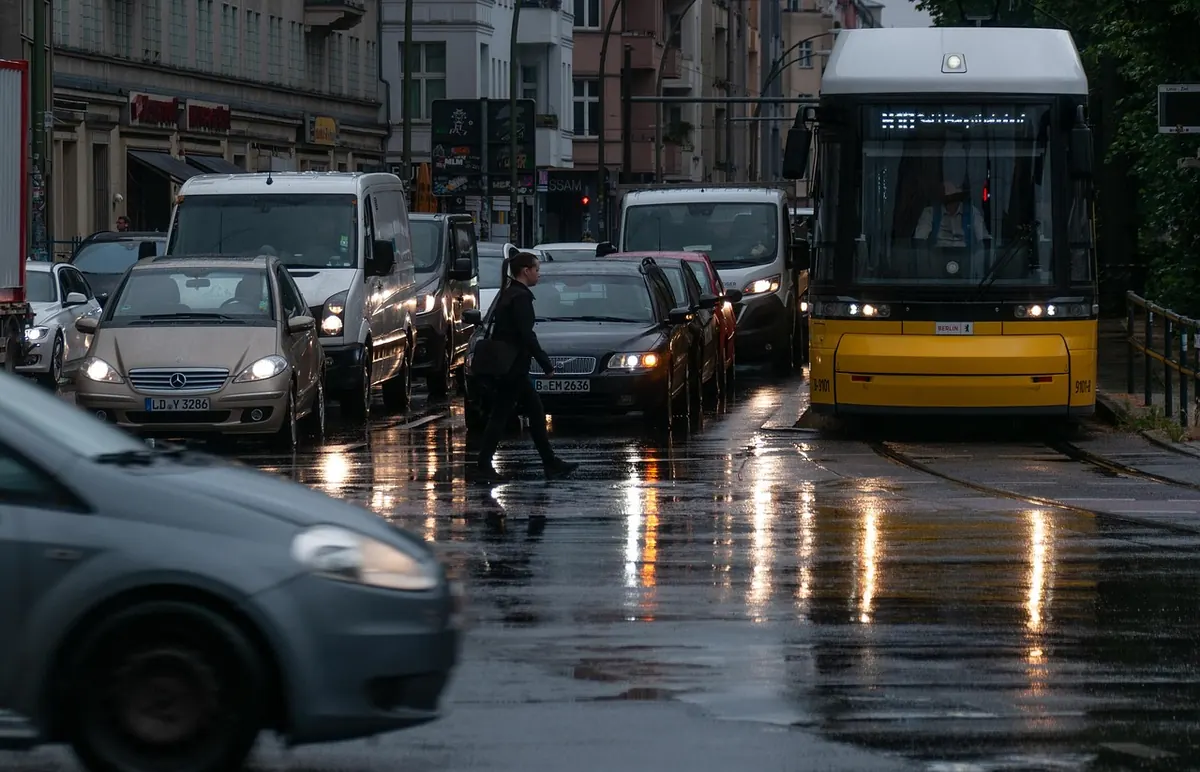
There is a particular sort of British morning. The sky is the colour of wet cardboard, the 07:42 sits outside the station with no announcement, and somewhere down the carriage a man sighs with the full weight of empire. Most of us spend the next twenty minutes grinding our teeth about a situation we cannot alter. The Stoics, two thousand years early, would have asked a different question: not "why is this happening to me?" but "what is actually mine to do next?"
That is the case for Stoicism here and now. Not as costume drama, and not as a cure for everything, but as a working set of tools for commuting, workplace pressure and weather that treats our plans as a polite suggestion.
It is not the stiff upper lip with a Greek accent. That caricature — feel nothing, mention less, carry on — misses the central argument. The Stoics held that events themselves rarely ruin a day; our judgements about them do. Epictetus opens his handbook with the plainest possible version of the idea:
Some things are in our control and others are not.
Read that again on a bad Tuesday and notice how much of your irritation is aimed at the second category. The signal failure, the traffic on the ring road, the forecast, the mood of a client: all outside you. Your next action, your tone, whether you prepared properly: inside you. The distinction is simple. Simple is not the same as easy.
Nor is the aim to become placid. The Stoics were not chasing a permanent state of mildness; they were chasing good judgement in difficult conditions. Calm was a by-product, not the prize.
Commuting is where most of us meet our first genuine test of the day, and it is almost entirely outside our control. That makes it useful. You cannot will the 08:04 into existence, but you can decide what the delay is for. Twenty unexpected minutes can be an angry rehearsal of an email you will never send, or a chapter of a book you keep meaning to finish. Same delay, different day.
A short audit helps. Before you leave the house, or while you wait, run through two columns in your head:
Most commuter misery lives in the second column, dressed up as a personal grievance. Naming it takes about thirty seconds and reliably lowers the temperature.
Marcus Aurelius wrote his private notes while running an empire. Our equivalent is a Tuesday with forty unread messages and a meeting that should have been an email. The Stoic move is to separate the event from the story you have built on top of it.
"My manager sent a curt reply" is an event. "My manager thinks I'm useless and I'll be managed out by Christmas" is a story, and a poorly evidenced one. The practical step is almost embarrassingly plain: write down the event in neutral language, then write down the story, then ask what a reasonable outsider would conclude. You will usually find the event is manageable and the story is the thing keeping you awake.
There is a second Stoic habit worth borrowing for work: the reserve clause. Make your plans, then quietly add "if nothing prevents it". I'll have the draft finished by four, unless the day says otherwise. It sounds fussy. In practice it takes the sting out of the inevitable interruption, and it stops you treating a broken plan as a moral failure.
It also helps with recognition — or the lack of it. Do the work well because the work is yours to do; whether it is noticed is largely not. That sounds like cold comfort when a colleague gets the credit, but it is a good deal less exhausting than running a permanent campaign for approval.
British weather is not an emergency. It is the baseline. Yet a soaking on the walk to the station can produce genuine outrage, as though the sky had broken a promise it never made. The Stoics practised a mild form of rehearsal: expect the ordinary hassles in advance so they arrive as inconveniences rather than insults.
So keep the coat by the door. Check the forecast before you plan a walk. Assume the boiler will fail in the coldest week of January and know who you would ring. None of this is gloomy; it is simply the difference between being rained on and being ambushed. The same applies to school closures, cancelled trains and the general British talent for a bank holiday washout.
What rehearsal is not is passivity. Carry the umbrella. Fix the gutter. Book the service. Accepting the weather and preparing for it are the same act, not opposites.
An honest account has to include the failure modes, because they are common.
It can become a cover for enduring things that should be changed. Sitting quietly in a job where you are treated badly is not virtue; it is avoidance with better vocabulary. The Stoic test is whether the situation is genuinely outside your influence. If it is not, the philosophy points towards action, not resignation.
It can also slide into suppression. Feeling nothing is not the goal, and people who claim to feel nothing are usually just feeling it somewhere less convenient. Notice the flush of anger, the tight chest, the urge to snap — then choose. The feeling is information; the reaction is a decision.
And it is a personal tool, not a policy. Stoicism will not fix low pay, poor housing or a struggling local service. It may help you keep your head while you work on those things, which is worth something, but it is not a substitute for the work.
One practical note: if low mood, anxiety or burnout is following you around, a book of ancient letters is not treatment. Speak to your GP or another qualified professional.
Pick one recurring irritant: the morning commute, the Monday meeting, the weather. Then do three things.
The point is not to become a philosopher. It is to have a slightly less reactive week, then another one, until the habit is doing the work for you. If you want to read further, Marcus Aurelius' Meditations, Epictetus' Enchiridion and Seneca's letters are the usual starting points, and they are short enough to survive a rail replacement bus.
Photo: wal_172619 / Pixabay
Most people who lose money at online casinos don't lose because they're unlucky. They lose because they never...

The high street's daily routines — nods, queues, noticeboards and the bench — show how belonging, habit and quiet...
November 04, 2026 - iGaming
October 04, 2026 - Essays
Copyright © 2026 Sage Post. All Right Reserved.